Preparedness and Training – Preparedness

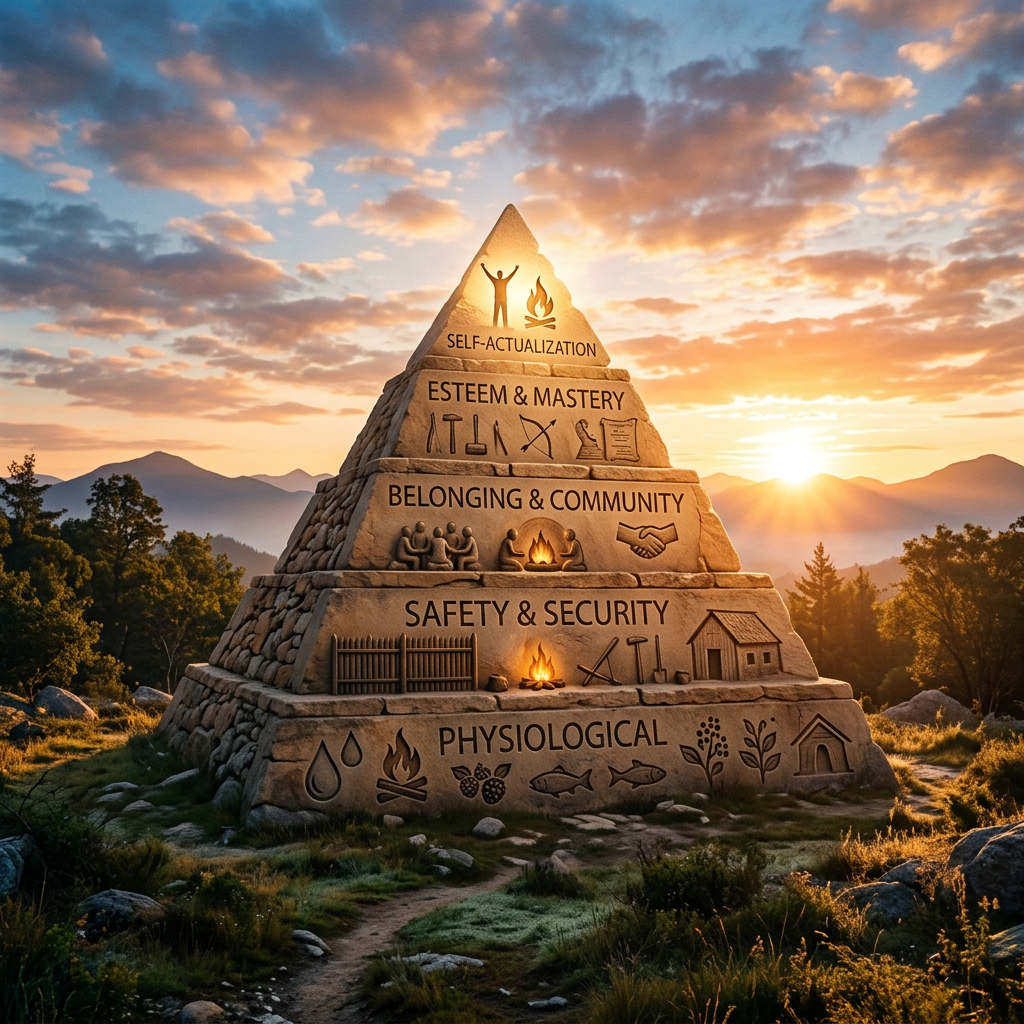
Maslow’s hierarchy of needs remains one of the most practical psychology models for anyone serious about preparedness. It ranks human requirements from the most fundamental to the highest levels of fulfillment, shown clearly in the classic pyramid:
- Physiological needs form the base: food, water, warmth, rest.
- Safety needs sit just above: security and physical safety.
- Belongingness and love needs follow: intimate relationships and friendships.
- Esteem needs come next: prestige and a sense of accomplishment.
- Self-actualization crowns the top: achieving one’s full potential, including creative pursuits and personal growth.
Many preppers distill the bottom layers into the Rule of 3’s: you can survive roughly 3 minutes without air, 3 hours without shelter in harsh conditions, 3 days without water, and 3 weeks without food. These timelines force hard prioritization. Air, shelter, water, and calories must be addressed before anything else.
Only after those foundations are solid does it make sense to move upward. Safety needs translate into secure storage, reliable defensive capabilities, redundant power, and solid contingency plans. Belonging and esteem needs point toward trusted networks, community skills, and the quiet confidence that comes from competence. Self-actualization—pursuing hobbies, creative work, or deeper purpose—becomes possible and meaningful only when the lower levels are no longer in constant crisis.
This layered approach keeps preparations realistic. Stocking four plain, shelf-stable meals is far more useful than two gourmet favorites that leave you short when systems fail. The same logic applies across every category: redundant water sources before specialized gadgets, basic first-aid and trauma care before advanced kits, solid shelter options before comfort items.
For veterans, the hierarchy aligns naturally with military experience. Training already taught sequential problem-solving under stress, resource prioritization, and the difference between wants and needs. Applying the same discipline in civilian preparedness converts that operational mindset into daily resilience. It also prevents the common trap of chasing advanced skills or gear while foundational gaps remain.
Use the pyramid as a continuous audit tool. Review your stores, skills, and plans against each level in order. Strengthen the base first. Build outward and upward only when the lower needs are reliably covered. That disciplined sequence turns preparedness from a collection of gear into a sustainable lifestyle—one that supports not just survival, but the higher goals of purpose, community, and personal growth that many veterans continue to pursue long after the uniform comes off.


Leave a Reply