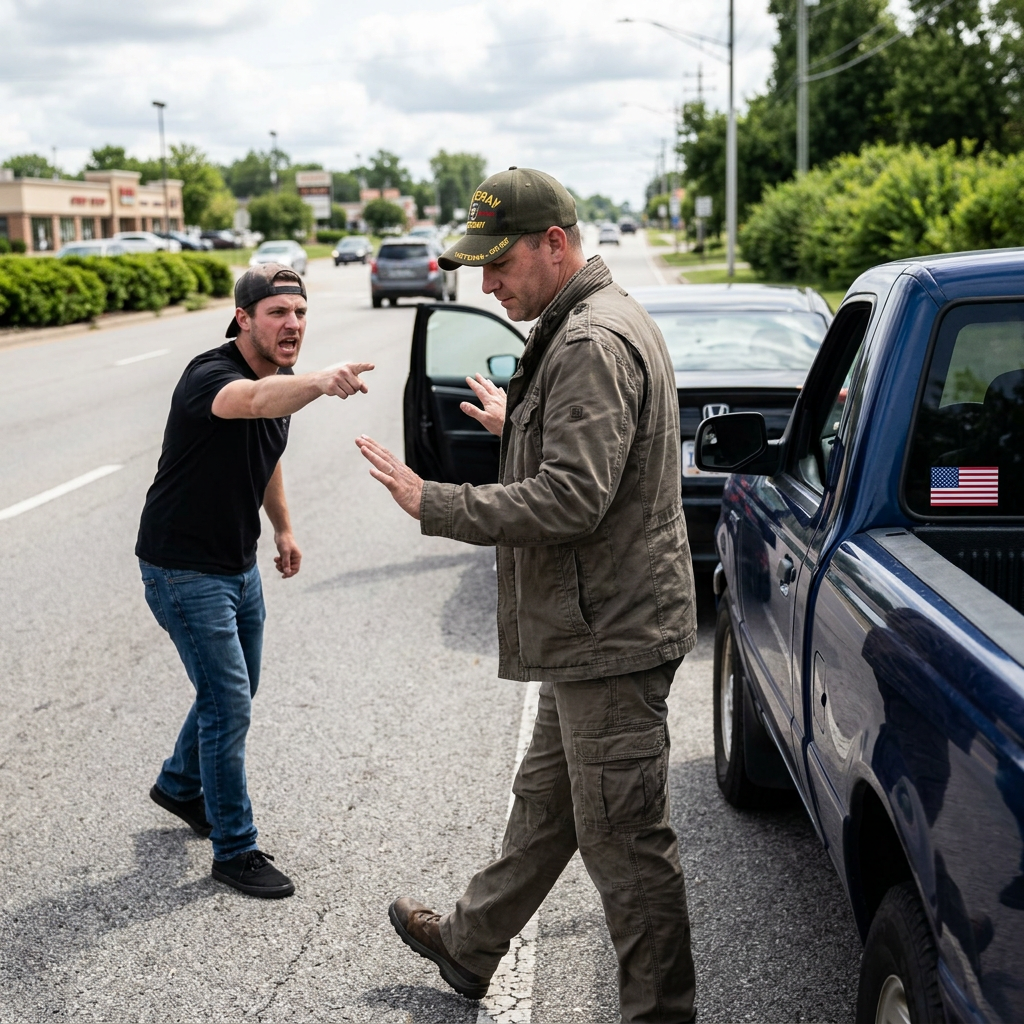
A Veteran’s Perspective
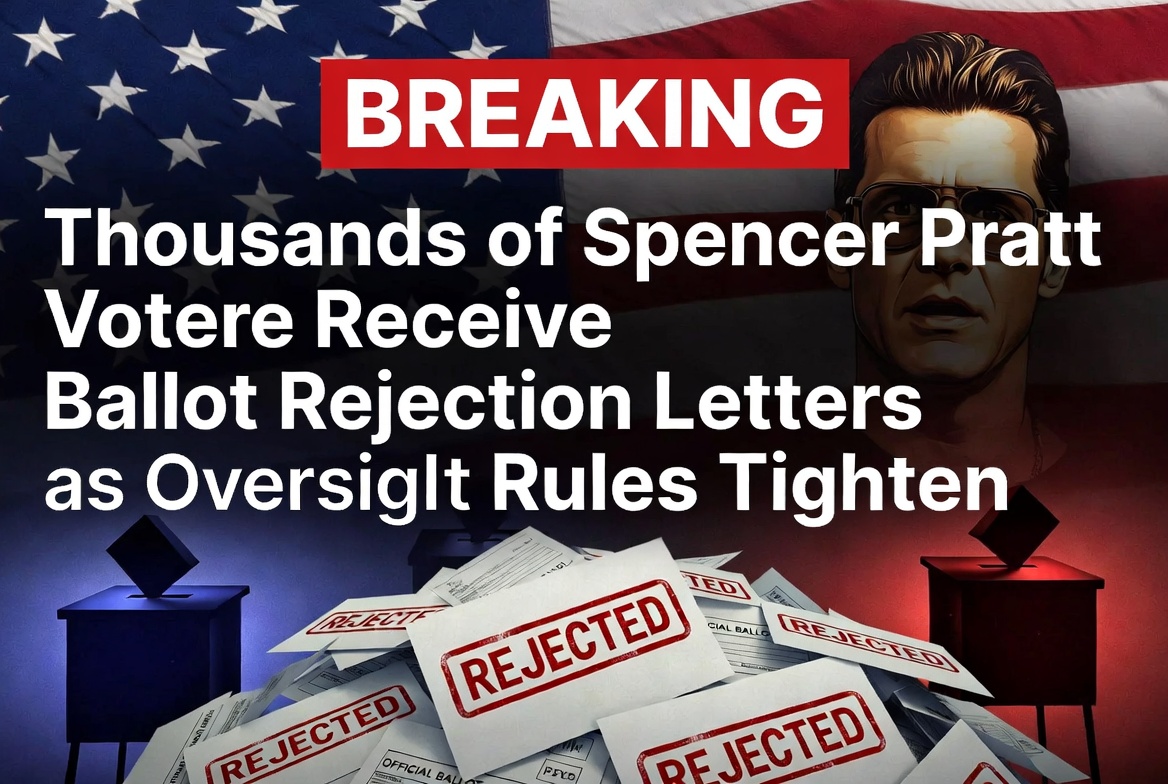
Reports circulating across California show a surge of voters—specifically Spencer Pratt supporters—receiving official notices stating their ballots were not counted due to “signature irregularities.” Many of these voters say their signatures have been unchanged and verified for decades. Yet this election cycle, their ballots were rejected.
One California voter said his signature has been on file for over 20 years without a single issue. The first time it was flagged? When he voted for Spencer Pratt.
These reports align with posts shared through community channels such as Street People of LA and Police Frequency, which have amplified the growing concern among voters and election‑integrity advocates.

A Pattern That Raises Serious Questions
The margin between Nithya Raman and Spencer Pratt is reportedly under 3,000 votes. Yet at least 18,000 Pratt voters have received rejection letters stating their ballots were not counted.
That discrepancy alone would be enough to trigger scrutiny in any competitive race. But the context makes it even more alarming.
For years, California election officials have defended extremely permissive signature‑acceptance standards. Ballots have been accepted with signatures as minimal as:
- an “X”
- a dash
- or even a smiley face
These standards were widely criticized but consistently upheld.
Now, suddenly, thousands of Republican voters—many with long‑verified signatures—are being told their signatures are invalid. The pattern is too consistent to ignore.
Oversight Restrictions Passed at the Worst Possible Time
Governor Gavin Newsom recently signed legislation that prohibits oversight officials from challenging signatures they believe may be fraudulent or inconsistent. This means that even if an election worker sees a signature that clearly does not match the voter’s file, they are now barred from contesting it.
This change was highlighted in reporting shared through Police Frequency, which noted that the new law effectively removes a critical layer of accountability in the verification process.
For veterans, election volunteers, and civic‑minded Californians, this is a red flag. Oversight is not optional—it is foundational.
When oversight is restricted at the exact moment signature rejections spike, trust in the system collapses.
Veterans See the Warning Signs Clearly
Veterans understand what happens in countries where elections lack transparency. We’ve seen the consequences firsthand:
- When oversight is suppressed
- When ballots are selectively rejected
- When the ruling class controls the mechanisms of verification
It doesn’t matter whether the manipulation is intentional or systemic—the result is the same: the people lose faith in the process.
California is now flirting with that same erosion of trust.
The Numbers Don’t Add Up
Let’s break down the math:
- Margin of victory: < 3,000 votes
- Reported rejected Pratt ballots: 18,000+
- Signature standards historically: extremely permissive
- New law: oversight officials cannot challenge signatures
Even if only a fraction of those rejected ballots were legitimate, the outcome of the race could be materially affected.
This isn’t conspiracy. This is arithmetic.
A Call for Transparency, Not Chaos
This situation demands:
- A full audit of rejected ballots
- A review of signature‑verification consistency
- Transparency from county clerks
- Accountability from state leadership
- Oversight restored—not restricted
Californians deserve to know whether their votes were counted, and why so many long‑verified signatures were suddenly deemed invalid.
This isn’t about partisanship. It’s about confidence in the democratic process.
Final Thoughts
California’s election system is at a crossroads. Either transparency is restored, or public trust will continue to erode.
Veterans know this truth better than most: A system without oversight is a system that cannot be trusted.





Leave a Reply