Faith and Purpose – Bible Study Course
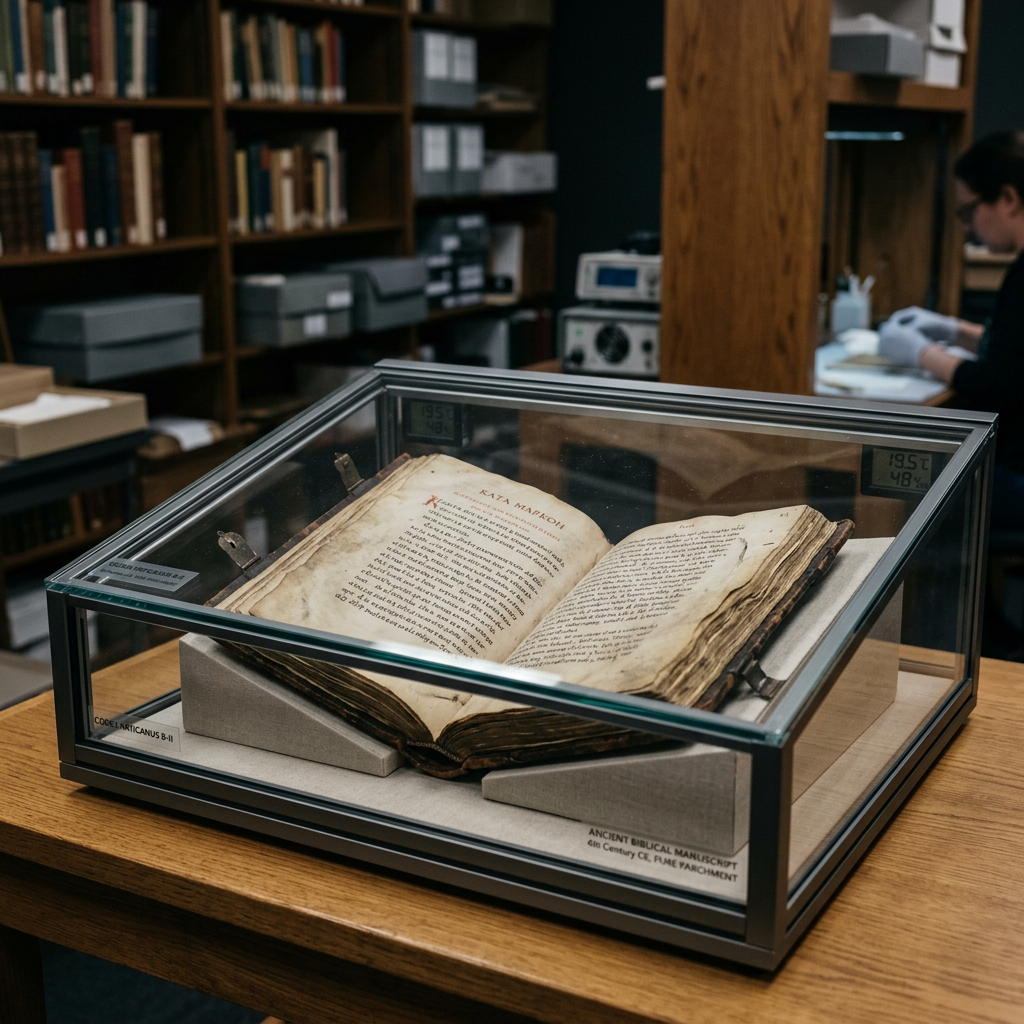
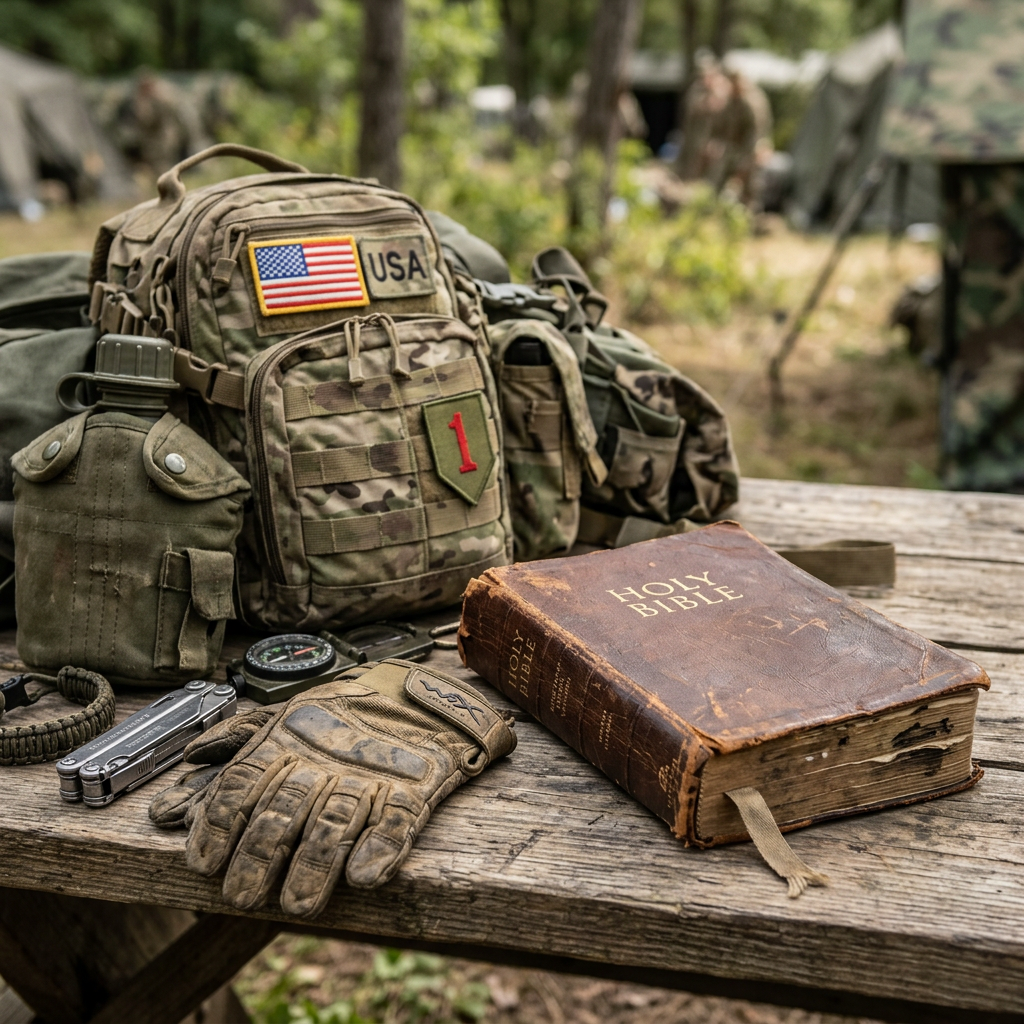
Veterans know what it means to protect something valuable. Whether guarding a position, securing intelligence, or defending a brother‑in‑arms, preservation is a mission rooted in discipline and sacrifice. The Bible’s survival across thousands of years reflects that same level of commitment. Its manuscripts were guarded, copied, transported, and defended with a precision that mirrors the seriousness of military duty.
For veterans seeking spiritual stability, understanding how the Bible was preserved is more than history—it’s reassurance that the foundation of their faith is solid, tested, and reliable.
A Text Preserved With Military‑Grade Precision
The Old Testament was entrusted to the Jewish community, whose scribes—called Masoretes—treated Scripture with the same seriousness a soldier treats classified orders. They counted every word, every letter, and even tracked the exact middle letter of each book to ensure accuracy. If a single mark was off, the entire manuscript was rejected.
Jesus Himself affirmed this level of precision:
- “Not one jot or one tittle shall pass from the law.” Matthew 5:18
A “jot” is the smallest Hebrew letter. A “tittle” is a tiny decorative stroke. Veterans understand the message: details matter. Accuracy matters. Integrity matters.
The New Testament: Preserved Through Turbulence
The New Testament was completed in the first century and preserved primarily through Greek manuscripts originating in Asia Minor. These texts—later called the Byzantine or Antiochian type—became the backbone of early Christian teaching.
Centuries later, when the Ottoman Empire advanced, Greek scholars fled west carrying these manuscripts like soldiers evacuating critical intelligence. Many ended up in Switzerland, where their texts formed the basis of the Textus Receptus, the Greek foundation behind the King James Version.
Veterans recognize this pattern: When the world destabilizes, the mission continues. Critical information must survive.
Translations Built for Clarity and Strength
The King James Version (1611) was translated by 54 scholars who worked for seven years to produce a faithful English Bible. Its language may feel dated today, but its commitment to accuracy remains respected.
Modern translations vary in approach:
- NKJV — updates language while preserving accuracy.
- RSV, NASB, NIV — rely more heavily on manuscripts favored by modern critics.
- Living Bible, CEV — paraphrases, easy to read but not suited for doctrinal precision.
Veterans understand the difference between a field briefing and a casual summary. Some translations are tactical; others are conversational. Knowing the difference matters.
Why This Matters to Veterans
Veterans value reliability. They need to know that the information guiding their decisions is trustworthy. The Bible’s preservation reflects:
- Discipline — scribes who guarded every letter.
- Resilience — manuscripts carried through war and displacement.
- Integrity — translators committed to accuracy over convenience.
- Continuity — a text that has survived every attempt to distort or destroy it.
This is not a fragile book. It is a battle‑tested record of God’s communication with humanity.
Bible Verses That Reinforce Its Reliability
- Psalm 12:6 — “The words of the Lord are pure words, like silver refined in a furnace.”
- Isaiah 40:8 — “The word of our God stands forever.”
- 2 Timothy 3:16 — “All Scripture is given by inspiration of God.”
- Matthew 24:35 — “Heaven and earth will pass away, but My words will by no means pass away.”
These verses echo what veterans already know: truth endures.
Study Points for Veterans
- Masoretic Text — Old Testament preserved with unmatched precision.
- Byzantine Manuscripts — New Testament foundation carried through conflict.
- Textus Receptus — Greek base for the KJV, shaped by scholars fleeing war.
- Translation Differences — Tactical accuracy vs. paraphrased summaries.
- Matthew 5:18 — Christ affirms the preservation of Scripture.
- Isaiah 40:8 — God’s Word stands beyond time and turmoil.




Leave a Reply